CII
ControlledIndustrialIntelligence
Inaugural Issuen2t.net/ark:66356/c100010
Industrial AI
From Intelligence to Action.
cii.network
Published byCII NETWORK
ControlledIndustrialIntelligence
From Intelligence to Action.
cii.network
Published byCII NETWORK
Founding Note
CII № 01
Inaugural Issue
Artificial intelligence is advancing at extraordinary speed.
Industrial AI is not keeping pace.
AI research, across academia and industry, continues to break new ground, with many results performing strongly in benchmarks and real-world applications.
Industrial practitioners seek productivity gains from AI, but must contend with complex industrial data, uncertain outcomes, and potential risks.
As Industrial AI moves from breakthroughs to real-world deployment, explainability, verifiability, and controllability become essential.
This is where
Controlled Industrial Intelligence
begins.
In this issue
CII № 01
Define the Problem
The Gap
Build the Foundation
The Substrate
Govern the Action
The Authority to Act
CII Atlas
Publisher
CII NETWORK
CII NETWORK is a Swiss association dedicated to exploring and advancing Controlled Industrial Intelligence, connecting practitioners across industry and academia worldwide to bring intelligence into action.
Network Members
Part 01 · Define the Problem
01
Between Intelligence and Action
01 · The Gap
Why is Industrial AI
hard to deploy?
AI capabilities are advancing rapidly,
but moving from intelligence to action
brings new challenges to deployment.
AI can now understand and generate language, images, video and code, reason across complex tasks, and increasingly use tools and software.
Stanford AI Index 2026, on McKinsey data · OpenAI, The State of Enterprise AI 2025
AI is already used in manufacturing for inspection, predictive maintenance, production optimization and engineering design, but at limited scale, with many projects still in proof of concept or pilot.
AI capability maps technology and talent; industry base captures industrial depth and potential. Their overlap is where Industrial AI matters most.
Fig. 1The geography of Industrial AI
01 · The Gap
CII № 01 · Controlled Industrial Intelligence
AI capability maps technology and talent; industry base captures industrial depth and potential. Their overlap is where Industrial AI matters most.
Fig. 1The geography of Industrial AI
01 · The Gap
Between Intelligence and Action
Industrial AI is proving its value across many stages of production,
yet the breadth and depth of adoption still vary across use cases.
Observe
Sense the physical world
Understand
Turn data into insights
Advise
Generate and evaluate options
Optimize
Improve industrial outcomes
Act
Execute in the physical world
01Proven value
Already widely deployed
in many industrial settings.
02Expanding frontier
Rapidly growing, with increasing
deployment across industries.
03Untapped potential
High potential impact,
but adoption remains limited.
Fig. 2The landscape of Industrial AI applications
01 · The Gap
CII № 01 · Controlled Industrial Intelligence
Industrial AI is proving its value across many stages of production,
yet the breadth and depth of adoption still vary across use cases.
Observe
Sense the physical world
Understand
Turn data into insights
Advise
Generate and evaluate options
Optimize
Improve industrial outcomes
Act
Execute in the physical world
01Proven value
Already widely deployed
in many industrial settings.
02Expanding frontier
Rapidly growing, with increasing
deployment across industries.
03Untapped potential
High potential impact,
but adoption remains limited.
Fig. 2The landscape of Industrial AI applications
01 · The Gap
Between Intelligence and Action
Let’s push the boundary TOGETHER.
— CII NETWORK
01 · The Gap
CII № 01 · Controlled Industrial Intelligence
Let’s push the boundary TOGETHER.
— CII NETWORK
01 · The Gap
Between Intelligence and Action

Industrial control remains fragmented
across controllers, protocols and system layers.
Part 02 · Build the Foundation
02
Software-Defined Control Systems
02 · The Substrate
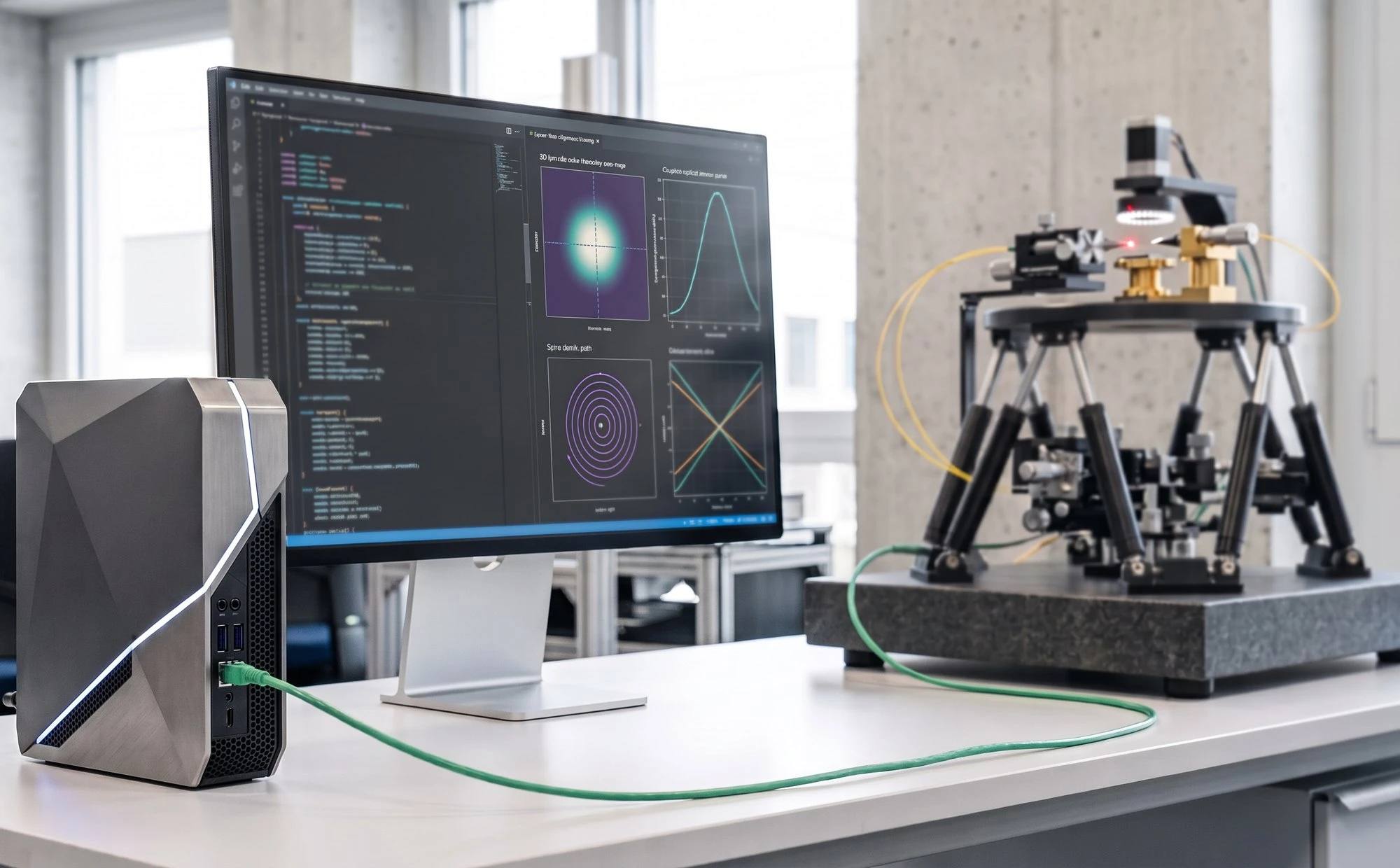
What carries intelligence into action?
Control systems connect computing to physical execution — and software-defined control offers a stronger foundation.
—
Relevant
Critical
Our focus Where intelligence meets the physical world.
Table 1Industrial AI across digital and physical systems
AI analyzes data and proposes actions.Control systems observe machine states and execute commands in real time.
Decoupling from dedicated hardware enables broader data integration and more advanced computation.
Fig. 3The control substrate
Fig. 4From hardware-defined to software-defined control
Hard, soft and virtual PLCs will likely coexist in the future.
Automation.com, 2025
01Compute
General‑purpose computing is now powerful enough for real‑time, deterministic control.
02Integration
Functions once split across controllers can now share one platform.
03Flexibility
Control capabilities can evolve through software updates, not hardware replacement.
02 · The Substrate
CII № 01 · Controlled Industrial Intelligence
AI analyzes data and proposes actions.Control systems observe machine states and execute commands in real time.
Decoupling from dedicated hardware enables broader data integration and more advanced computation.
Fig. 3The control substrate
Fig. 4From hardware-defined to software-defined control
Hard, soft and virtual PLCs will likely coexist in the future.
Automation.com, 2025
01Compute
General‑purpose computing is now powerful enough for real‑time, deterministic control.
02Integration
Functions once split across controllers can now share one platform.
03Flexibility
Control capabilities can evolve through software updates, not hardware replacement.
02 · The Substrate
Software-Defined Control Systems
01DeloitteTech Trends 2026
Language and vision models work in “human time”, Ayanna Howard tells Deloitte. For a walking robot, “a one- or two-second delay means it drops something, crashes, or potentially hurts someone.”
02NVIDIAIGX ThorJetson ThorHoloscan
A real-time Linux kernel and isolated GPU partitions give real-time work “hard performance guarantees” beside AI. Holoscan runs from “AI reasoning” to “deterministic real-world actions”.
03BainFrom control to intelligence
“Industrial automation is no longer about controlling machines—it’s about orchestrating intelligence.” Bain sees “AI-native workflows” moving “from analytics layers into the operational core”.
04ARCSoftware-defined automation
One theme stood out to ARC: industrial AI “will scale only when intelligence can be connected to deterministic, real-time action on heterogeneous equipment.”
Asynchronous
Variable-latency
Real-time
Deterministic
Unified compute, memory and control.
Fig. 5The clocks of AI and control
Fig. 6AI and control on one industrial PC
01Bring compute, control and memory closer
The same trend can be seen across computing architectures. In-memory computing (IMC) brings compute closer to memory; co-packaged optics (CPO) brings optical I/O closer to compute. For Industrial AI, compute, control and memory (CCM) can follow the same principle — bringing AI, machine data and real-time control closer together on one machine.
02Different loops, direct connection
AI runs asynchronously on the GPU/NPU, while control runs independently on real-time CPU cores with deterministic timing. They keep their own loops, but exchange machine data and AI commands directly through shared memory.
02 · The Substrate
CII № 01 · Controlled Industrial Intelligence
01DeloitteTech Trends 2026
Language and vision models work in “human time”, Ayanna Howard tells Deloitte. For a walking robot, “a one- or two-second delay means it drops something, crashes, or potentially hurts someone.”
02NVIDIAIGX ThorJetson ThorHoloscan
A real-time Linux kernel and isolated GPU partitions give real-time work “hard performance guarantees” beside AI. Holoscan runs from “AI reasoning” to “deterministic real-world actions”.
03BainFrom control to intelligence
“Industrial automation is no longer about controlling machines—it’s about orchestrating intelligence.” Bain sees “AI-native workflows” moving “from analytics layers into the operational core”.
04ARCSoftware-defined automation
One theme stood out to ARC: industrial AI “will scale only when intelligence can be connected to deterministic, real-time action on heterogeneous equipment.”
Asynchronous
Variable-latency
Real-time
Deterministic
Unified compute, memory and control.
Fig. 5The clocks of AI and control
Fig. 6AI and control on one industrial PC
01Bring compute, control and memory closer
The same trend can be seen across computing architectures. In-memory computing (IMC) brings compute closer to memory; co-packaged optics (CPO) brings optical I/O closer to compute. For Industrial AI, compute, control and memory (CCM) can follow the same principle — bringing AI, machine data and real-time control closer together on one machine.
02Different loops, direct connection
AI runs asynchronously on the GPU/NPU, while control runs independently on real-time CPU cores with deterministic timing. They keep their own loops, but exchange machine data and AI commands directly through shared memory.
02 · The Substrate
Software-Defined Control Systems
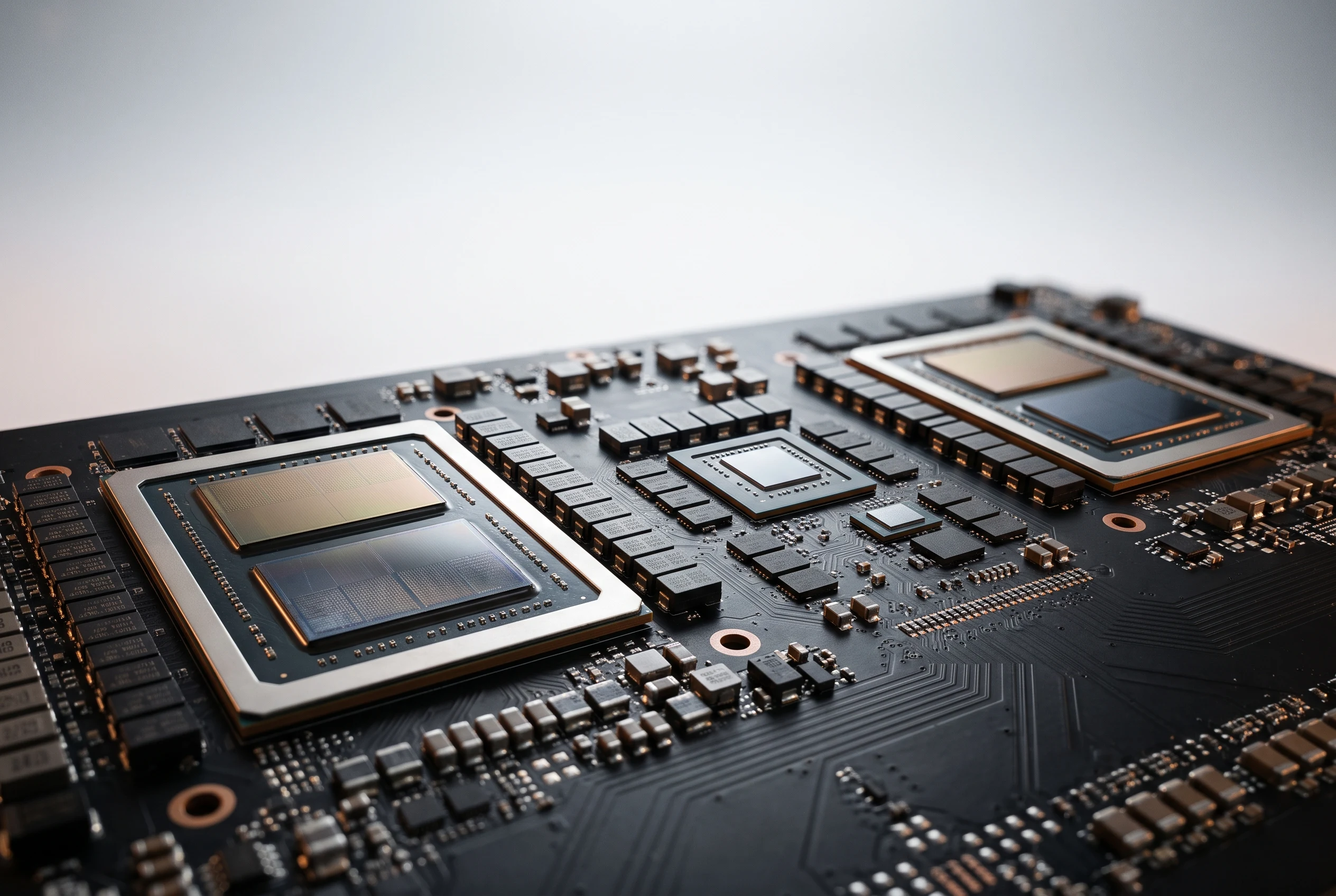
From hardware and OS to software-defined control and applications.
Applications
Software-defined control
Operating Systems
Hardware
Machines, systems and industrial applications
Motion and logic as reusable software
Real-time execution platforms
x86 and Arm compute platforms
For further insights and practical applications, contact us.
contact@cii.network
02 · The Substrate
CII № 01 · Controlled Industrial Intelligence
From hardware and OS to software-defined control and applications.
Applications
Software-defined control
Operating Systems
Hardware
Machines, systems and industrial applications
Motion and logic as reusable software
Real-time execution platforms
x86 and Arm compute platforms
For further insights and practical applications, contact us.
contact@cii.network
02 · The Substrate
Software-Defined Control Systems

Part 03 · Govern the Action
03
Evidence, Risk, and Human Oversight
03 · The Authority to Act
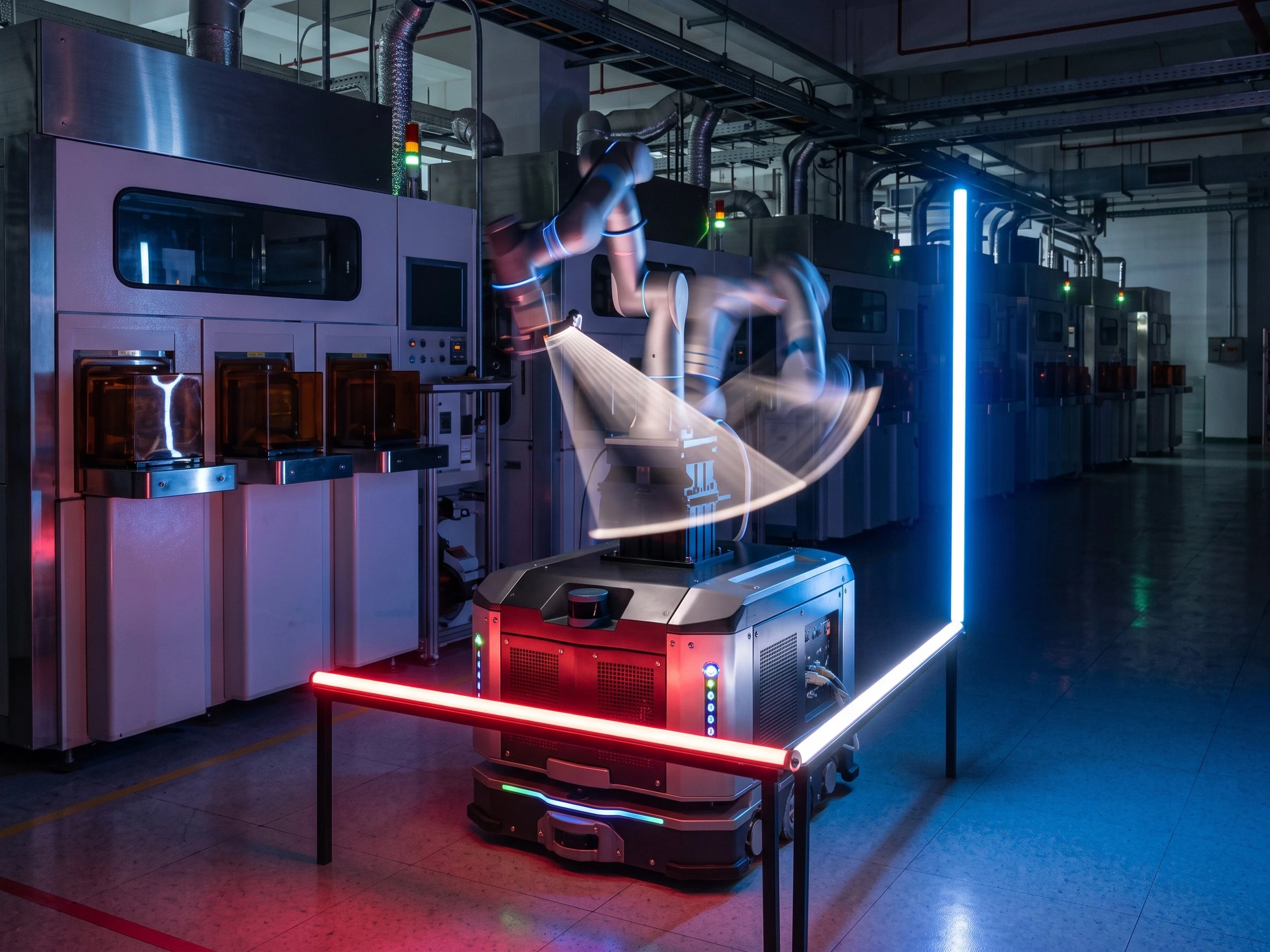
How can intelligence be authorized to act?
Capability does not imply authority. A well-defined authorization mechanism enables AI to act autonomously within clear conditions and boundaries.
03 · The Authority to Act
CII № 01 · Controlled Industrial Intelligence

Yokogawa × Aramco2025
10%–15%
“reduction in its amine and steam usage” at Aramco’s Fadhili Gas Plant, where multiple autonomous control AI agents now run acid gas removal.
Fadhili Gas Plant · Aramco, via Yokogawa
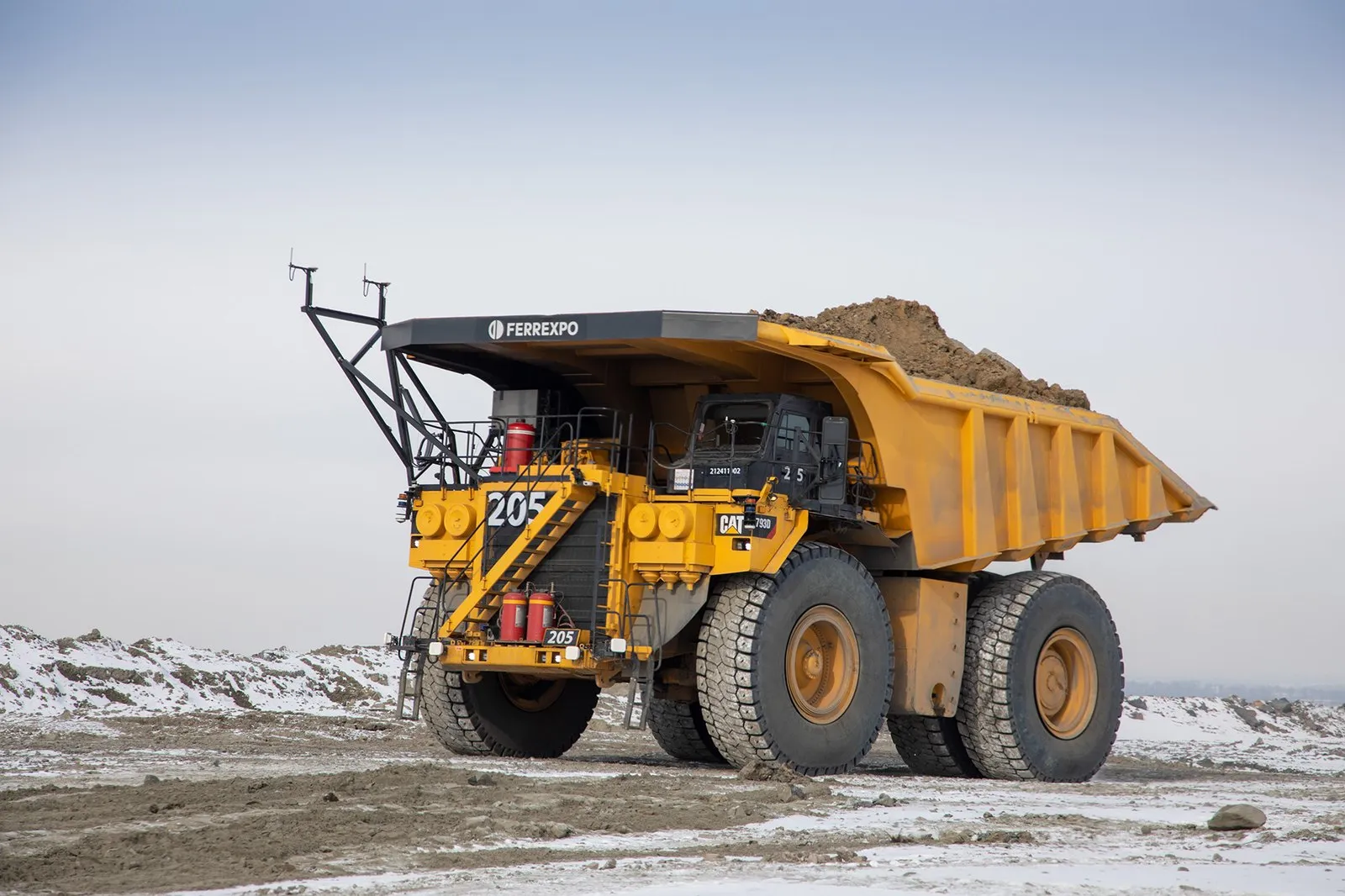
Caterpillar2026
Nearly700
“Cat autonomous trucks are in operation around the world and together they have safely hauled over 11 billion tonnes of material.”
Autonomous Cat truck · RobSimmons223311, CC BY-SA 4.0
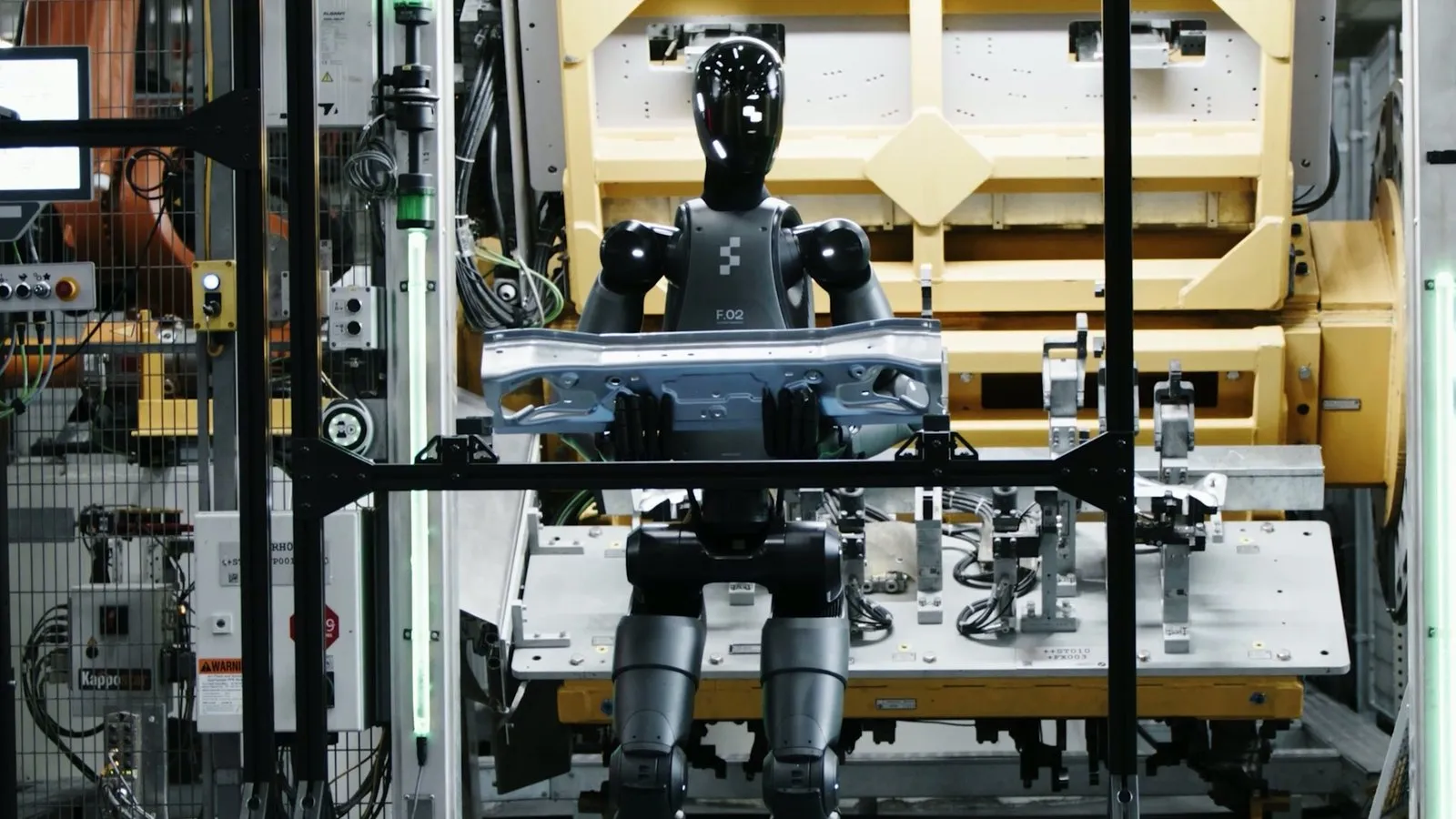
Figure × BMW2025
90,000+
“parts loaded” by Figure 02 on an active assembly line at BMW Group Plant Spartanburg: “1,250+ hours of runtime” in an 11-month deployment.
Figure 02 at BMW Spartanburg · Figure AI
The broader agentic AI landscape
WEF × Capgemini2026
ACAP
Introducing its Agent Capability and Authorization Profile, the WEF notes that organizations “face new challenges in defining the conditions under which these agents are authorized to act and in ensuring this authority is enforced as systems evolve.”
Gartner2025
Over40%
“of agentic AI projects will be canceled by the end of 2027, due to escalating costs, unclear business value or inadequate risk controls.”
Dynatrace2026
Only13%
“of organizations use fully autonomous agents,” and “69% of agentic AI–powered decisions are still verified by humans.”
03 · The Authority to Act
Evidence, Risk, and Human Oversight
Aramco says the Fadhili system “has now been permanently adopted.” It went in step by step: trained and checked on a simulator, then connected to the plant’s existing control system. Haulage, process control and general AI agents are different problems. Autonomy succeeds first where the task is clear, the setting controlled and the boundary verifiable.
2%of organizations have deployed AI agents at scale, 12% at partial scale. Most are still piloting (23%) or exploring (61%), in a survey of 1,500 executives.Capgemini, Jul 2025
The WEF’s ACAP spells out an agent’s permissions, checkpoints, owners and evidence; NIST calls for “appropriate identification and authorization controls.” From traditional automation to today’s AI agents, governing autonomous behavior has long been a central challenge.
Claude Code users approve 93% of permission prompts, later 97%: approval fatigue, “where people stop paying close attention to what they’re approving.” Developers are not plant operators, but if every low-risk step needs a click, the approvals that matter get lost. Authority should also let work that is fit to run alone stop waiting.
13.6%of dangerous commands caught by human review in a controlled experiment; auto mode caught 89%.Anthropic, 2026
03 · The Authority to Act
CII № 01 · Controlled Industrial Intelligence
Five approaches
From automation to AI, industry and academia have long explored how to guide and constrain machine behavior.
01 · Control engineering
Interlocks and permissive checks enforce the conditions under which a machine may operate.
02 · Process control
A controller uses a process model to meet an objective within defined operating constraints.
03 · Human factors
People and automated systems share the work of gathering information, choosing actions and executing them.
04 · Machine learning
Data, rewards and human feedback shape behaviour, guided by preferences and explicit principles.
05 · Robotics · Aerospace
Uncertainty estimates and runtime monitors help determine when to seek assistance or switch to a backup.
03 · The Authority to Act
Evidence, Risk, and Human Oversight
Five open questions
As AI moves from reasoning to action, fundamental questions remain.
The question behind them
Part of the answer may lie in
authority.
03 · The Authority to Act
Evidence, Risk, and Human Oversight
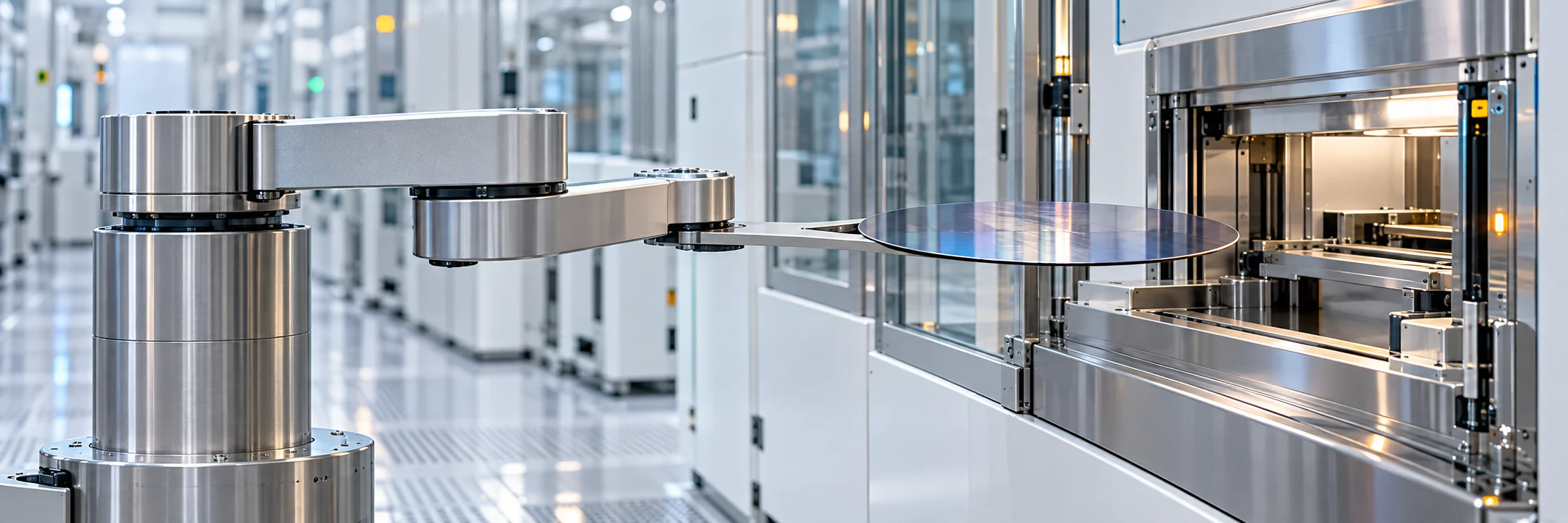
Real-world case
Communication faults in semiconductor manufacturing
01 The challenge
In semiconductor manufacturing, AI can quickly diagnose communication faults and recommend corrective actions. But with expensive equipment and costly downtime, engineers are cautious about allowing AI to act autonomously.
02 The approach
Working together, engineers and data scientists defined a 3×3 authority matrix based on evidence strength and action risk. The matrix determines how far AI can proceed—from monitoring and proposing fixes to autonomous execution or human approval.
With sufficient evidence and the required checks, AI can handle low- and medium-risk recovery actions autonomously. High-risk actions still require human approval.
| Evidence strength | Action risk | ||
|---|---|---|---|
| Low | Medium | High | |
| Strong | Execute+ post-check | after verificationExecuteafter verification | Humanapproval |
| Moderate | Propose | Propose+ verify | Humanapproval |
| Weak | Monitor | Monitor | Humanattention |
For more cases and practical insights, contact us.
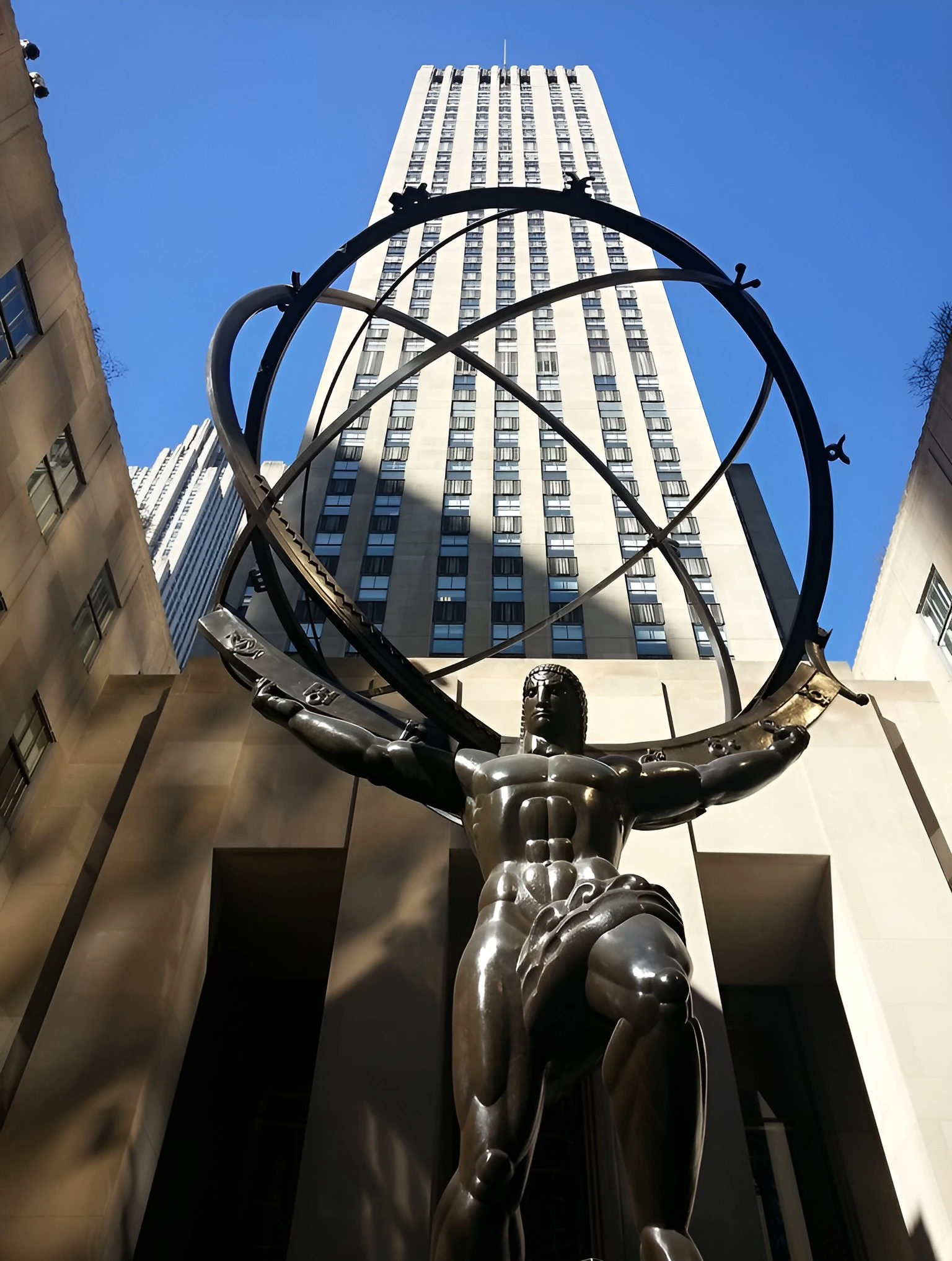
Atlas, Rockefeller Center, New York (Lee Lawrie, 1937). Shouldering the celestial sphere, the figure echoes the center’s art theme: New Frontiers and the March of Civilization.
n2t.net/ark:66356/c100062The exchange
Connecting Needs with Solutions
CII Atlas
Test · Refine · Repeat
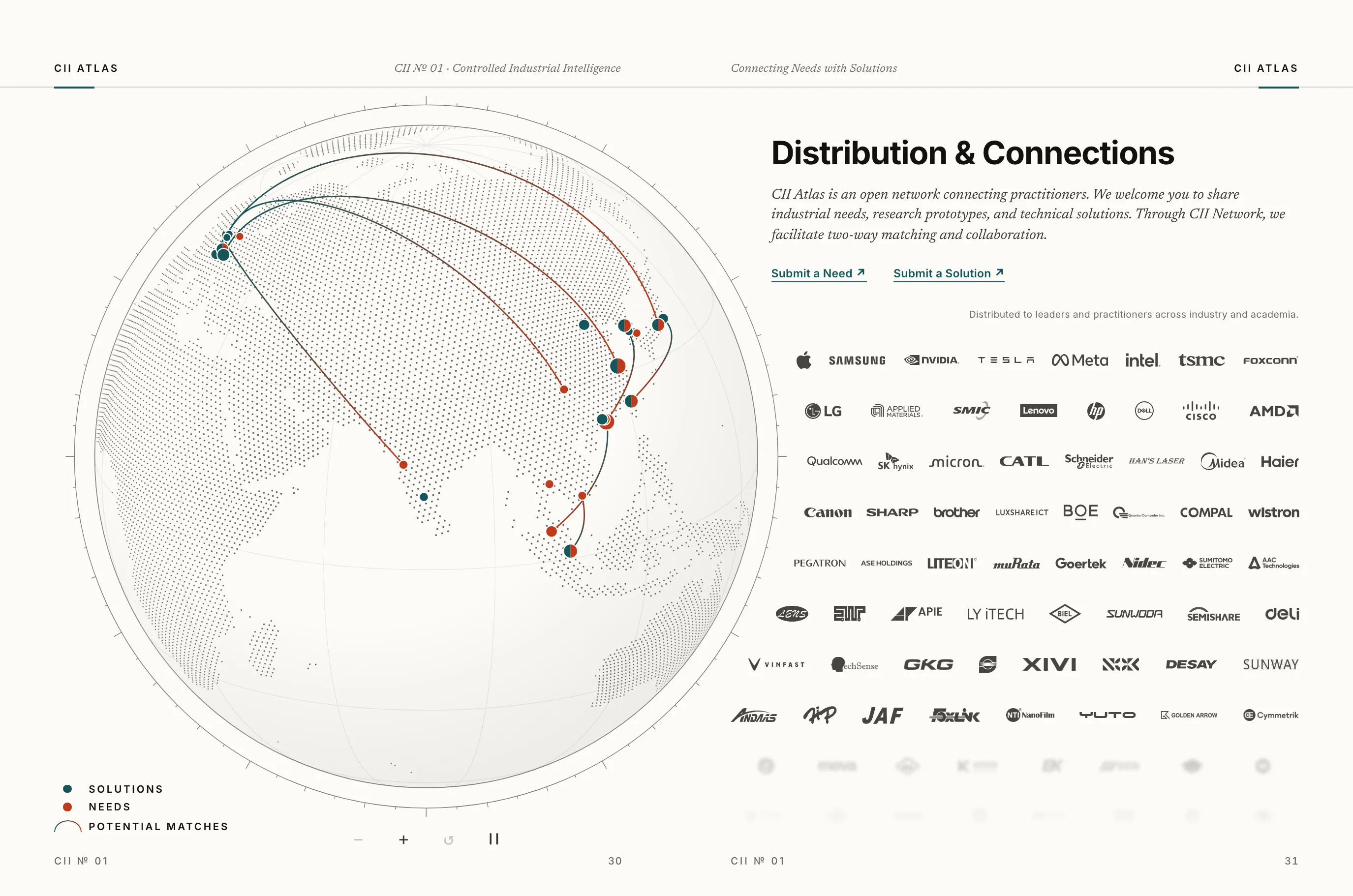
Visitors worldwide